
You've been doing this long enough. You're senior. You're the one people come to.
So when did you stop being coached?
I want to tell you about the people who coach me. Not because I have it figured out, but because I think you might be telling yourself a story I used to tell myself. The story that says: I should be past needing this.
The professor who never stopped showing up
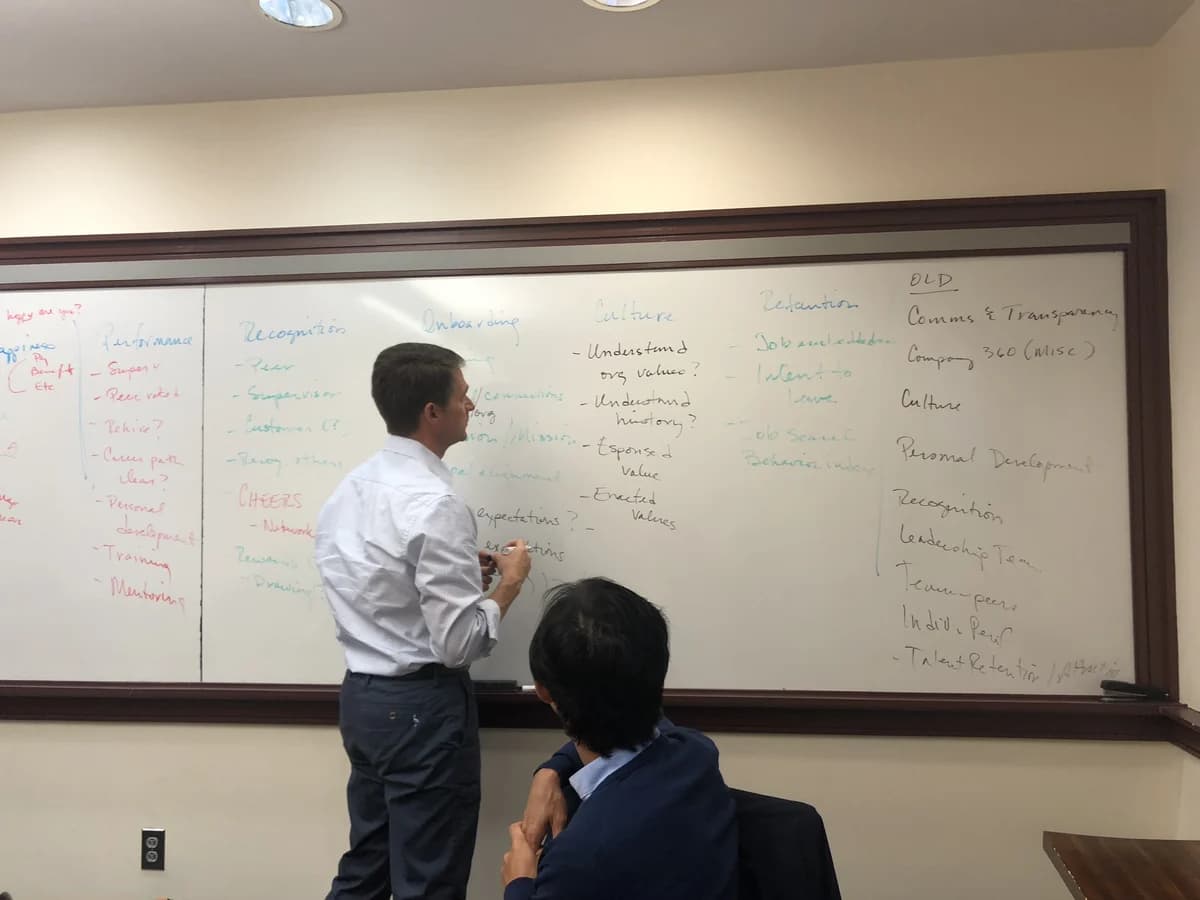
In the late 1990s I was an undergrad at the University of Washington. I took a negotiations class from a PhD student named Dr Brooks Holtom. I did not know it at the time, but he would coach me, in different forms, for the next three decades.
A few years after graduating, I looked him up. He had moved to Georgetown, the same campus where my father had done his PhD coursework. My dad and I made a trip out to DC together to visit him. We had coffee. He asked me what I was working on. He listened.

When I started TINYpulse a while later, he became one of our advisors. By then he had become one of the most cited authors in the world on employee retention. He could have been advising anyone. He chose to advise us.
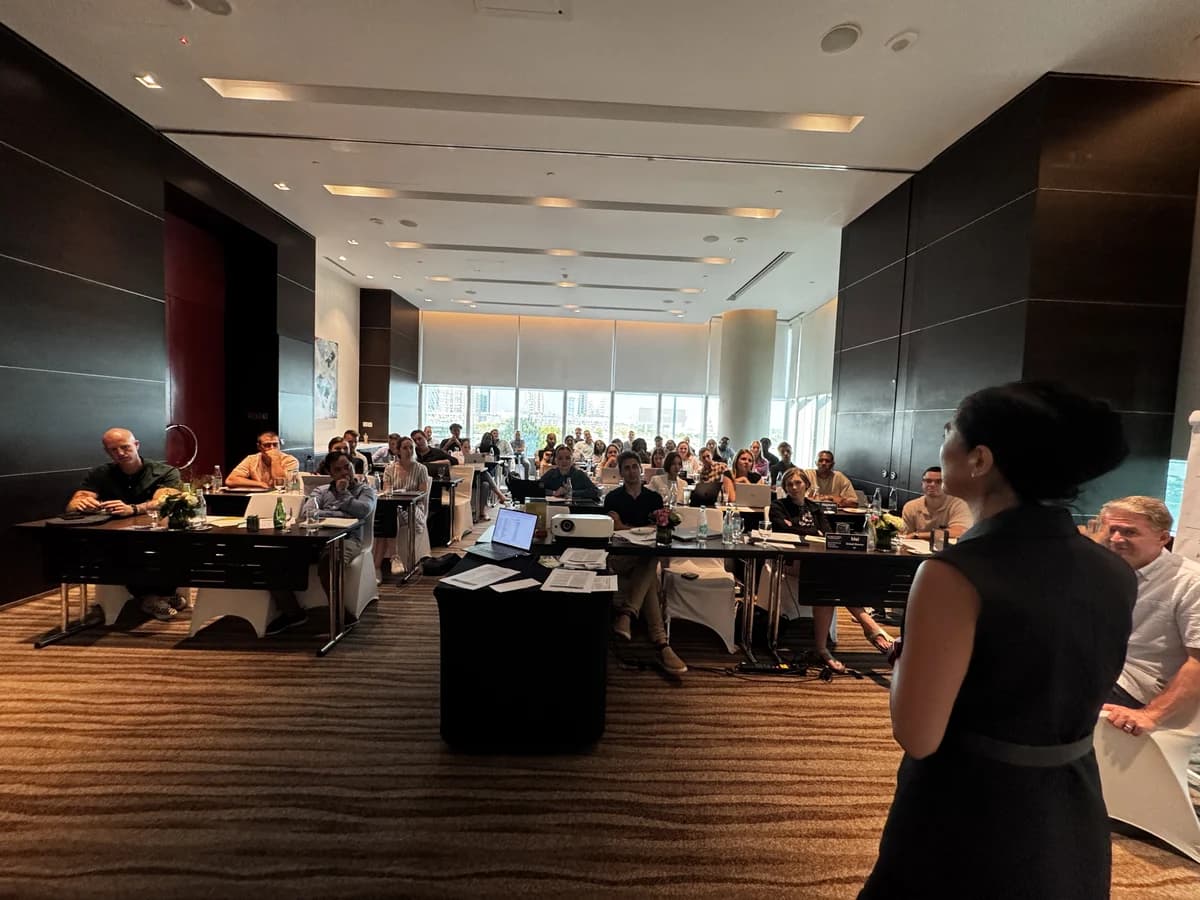
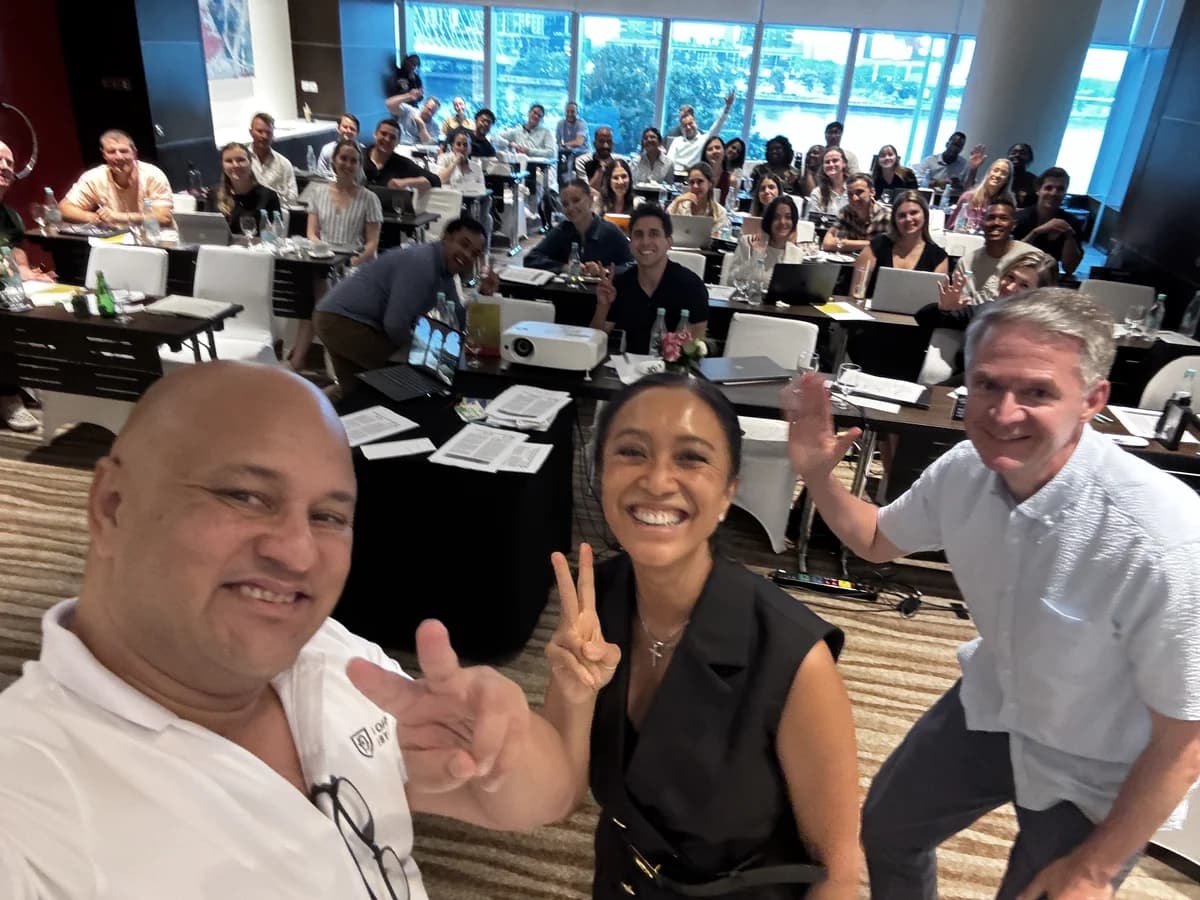
A couple of years ago, he called me again. He was bringing his Georgetown Executive MBA students to Vietnam, and he wanted me to speak to them about negotiating internationally as an expat in Asia. I brought in my friend Dao Nguyen, and the three of us taught the cohort together.
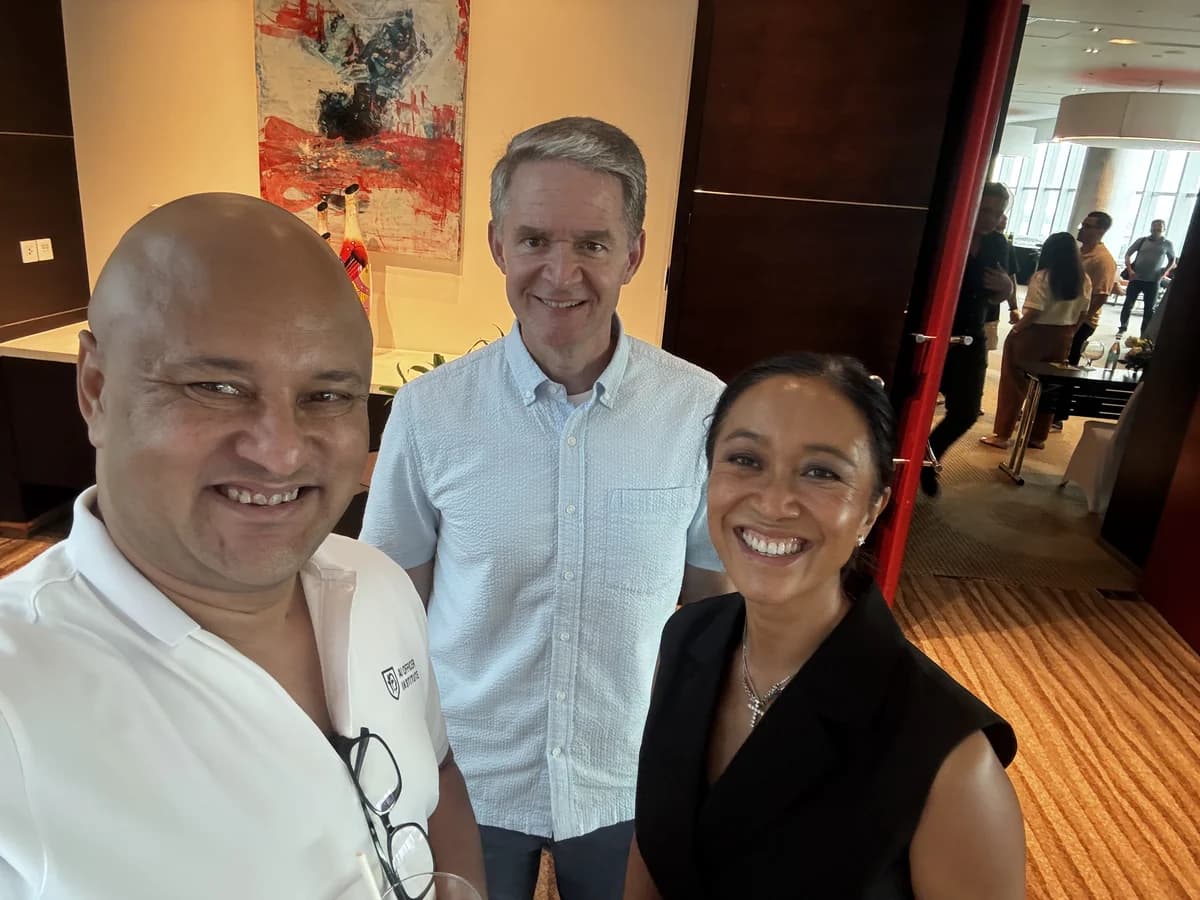
Later that visit, Dr Holtom and I sat down for dinner at SOL Kitchen. The plates came and went and we kept talking. At some point I asked him a question.
What is academia actually doing on AI right now?
His honest answer was, not much yet.
A few months later, I called him back. We started building something together, with my partner David Nilssen, under the AI Officer Institute. Leadership in the AI Era. Built around the leadership work Dr Holtom has been teaching for years, with the AI angle layered on top by people who actually run companies.
Today, that program is part of Dr Holtom's Georgetown Executive MBA teaching. In July, he is taking it to two days at Georgetown University in Washington, DC. David Nilssen and I are joining him.
Stop and notice what you just read. That is not we built a program. That is thirty years of coaching. Someone showing up, listening, asking the right question at the right time, making the introduction, picking up the phone.
The other coaches
Dr Holtom is not the only one.
Rich Pham, Harley Trung, and Ray Chou sat through the rough versions of this program. Each one of them gave me notes I did not want to hear. Each one of them made it better. The polish that lets me deliver this work to senior executives did not come from one room. It came from many rooms, with patient friends willing to sit through the version that was not yet good.
Dao Nguyen, regularly recognised as one of the top 50 lawyers in Asia, co-taught the Vietnam negotiations session with me when I knew I was not the right person to teach it alone. She did not have to. She did anyway. She coached me through it in real time, in front of a room of Georgetown EMBA students. That is a kind of coaching most people never see, because it happens at the front of a room.
Janki, the President of EO Perth, showed me what was possible by building her own AI program before I had the courage to build mine. Nhan, the President of EO Vietnam, helped pilot Leadership in the AI Era in my home chapter when it was still rough. They coach me on what to do next, and what not to do, every time we talk.
David Nilssen, my partner on this program, coaches me through every decision we make together. Every disagreement is coaching, if you let it be.
I am leaving people out. There are more.
What I want you to notice
Every person you admire is being coached. Most of them by several people. Often for decades.
The leaders who pretend otherwise are usually the ones who have stopped growing. Notice the difference between someone who learned everything they know by 35 and someone who is still learning at 55. The second person has coaches. The first person has stopped listening.
Here is the question I would ask you, if we were sitting across from each other right now.
If you have an answer, say their name out loud. Then say what they have been teaching you. Then ask yourself if you have thanked them lately.
If you do not have an answer, that is the more important data point. A leader without coaches is a leader who has decided they are done, even if they would not say it that way.
The gap that keeps coming up
The leaders I work with all have a version of the same problem.
They have human coaches. They are not bereft. But there is a gap.
The questions you actually have do not show up at coaching time. They show up at 11pm on a Tuesday when you are looking at a Slack thread and trying to figure out how to respond. They show up at 6am when you are walking and your brain finally has a minute. They show up between meetings, when you have ninety seconds and a decision to make.
A human coach is not at the end of those moments. By the time you can ask the question, the moment has passed.
This is the gap the CAIO Coach was built for. It is not a replacement for the humans who coach you. It cannot pick up the phone the way Dr Holtom did. It cannot sit through the rough version the way Rich did. It cannot co-teach the way Dao did. But it is there at 11pm. And at 6am. And in the ninety seconds between meetings.
I built it because I noticed I was leaving most of my best questions unanswered, because the people I would have asked were asleep on the other side of the world.
Try it. Then tell me who's coaching you.
If you want to feel what I am describing, take a free CAIO Coach session. Ask it the question that has been sitting with you this week. Notice what comes back.
Then send me a DM and tell me who is coaching you. I want to know.
Find your people. And in the moments between, find a thinking partner.
Take a free CAIO Coach session and notice what comes back.
Then DM me at LinkedIn and tell me who is coaching you.
Read next: How a Founder Built His Product in 5 Days Instead of 3 Months · You Don't Need to Become Technical, You Need a Stack