You have been handed a quote. There is a comma in the number. Maybe two. You read it twice, hoping the second pass softens the figure. It does not. You have not started anything yet, and you already feel behind.
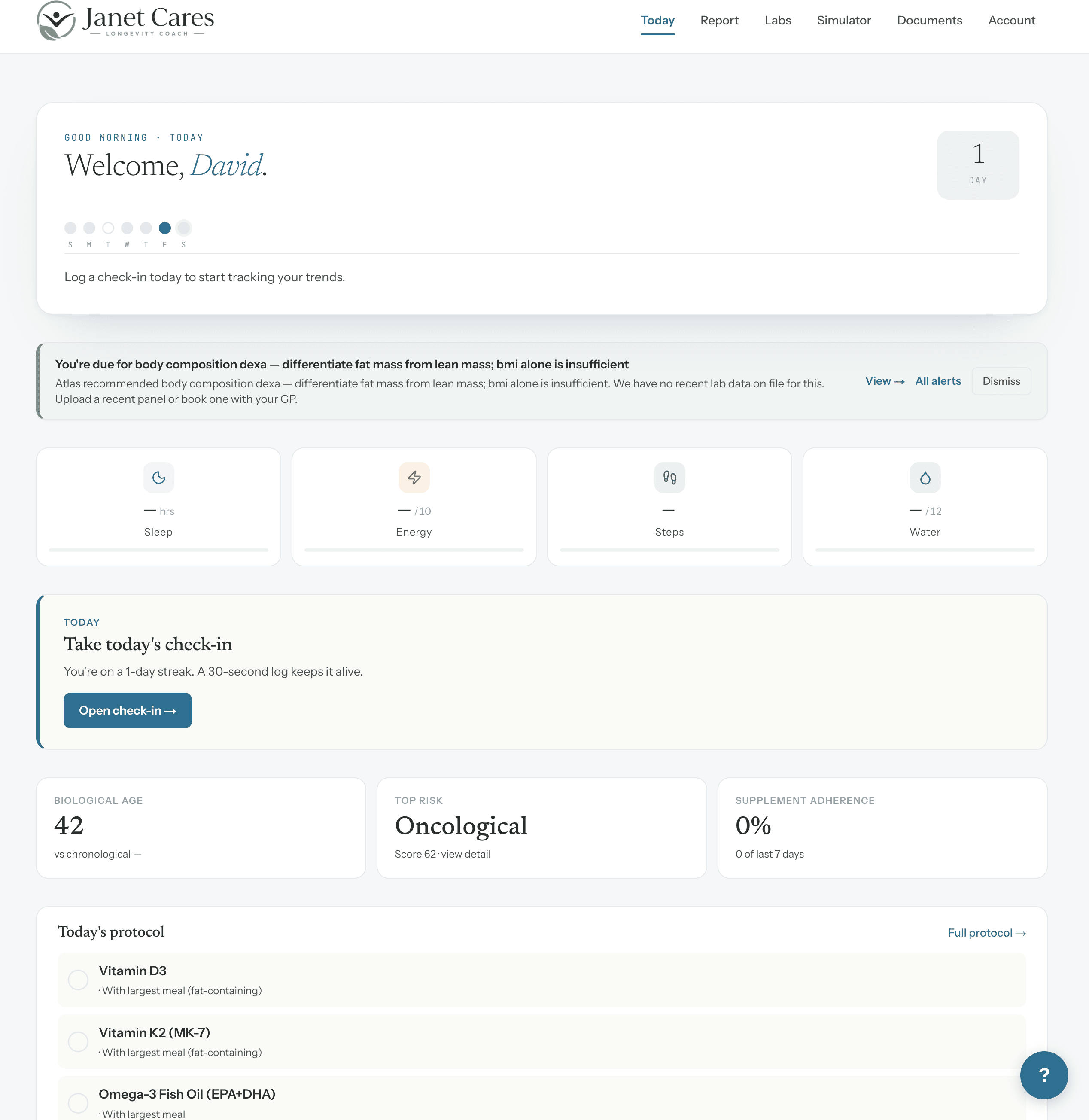
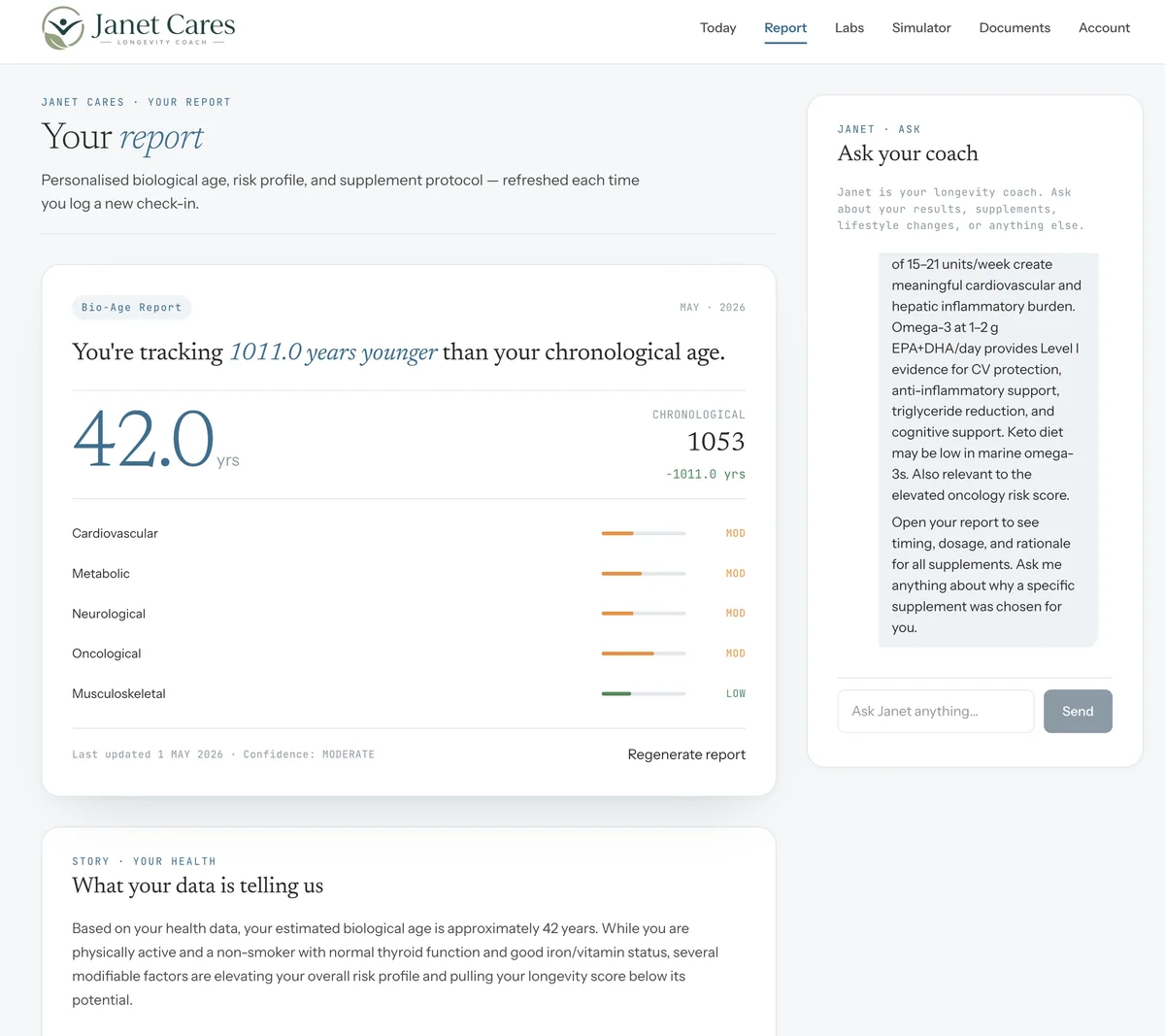
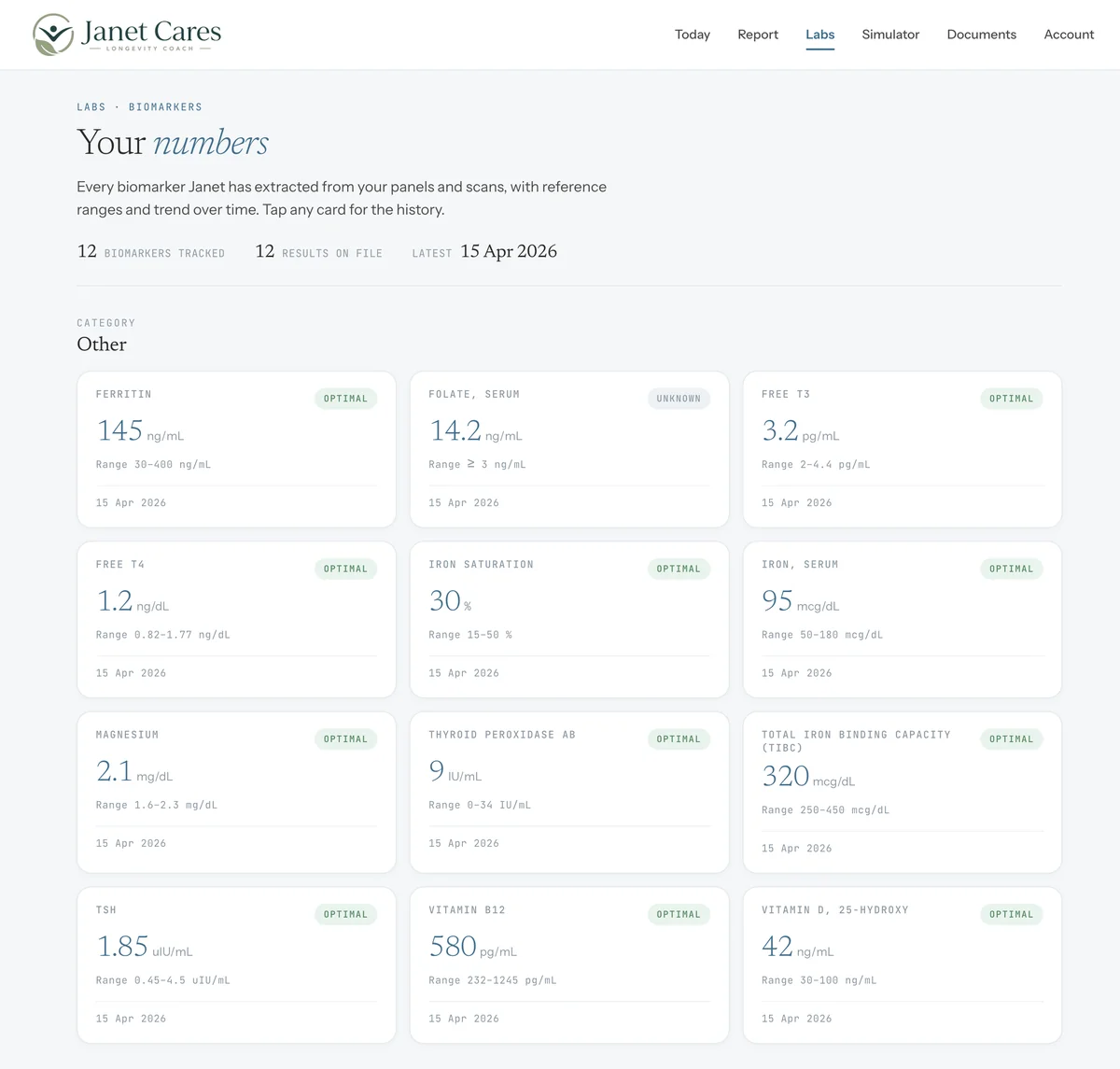
A founder named James knows that feeling. He runs Janet.Care, a longevity coach that tracks people's health data and helps them plan for a longer life through supplement protocols, exercise, and diet. He has spent ten years in the domain. An Australian company quoted him $300,000 AUD and three to six months for the next phase of the build.
He booked a flight to Vietnam instead.

Five days versus six months
Here is what James actually did in five days.
He coded it. Himself. With one part-time product manager, one full-time engineer, and the Infinite Leverage Blueprint guiding the day. By the end of day five, roughly 70 percent of the build was done. The remaining 30 percent will polish over the next 30 days.
That is the headline. Sit with it for a second before we get to how.
Three to six months collapsed into about five weeks of total elapsed time. One agency invoice replaced by a tiny pod and a lot of focus. The cost difference is not the point of this post. The leverage difference is. This is what it actually looks like to build software with AI instead of an agency.
Day two is when it broke open
Day one was a setup day. Tools, repos, a shared picture of what we were trying to ship. The kind of work that has to happen and never feels like progress.
Day two we kept tripping over the same friction. The team would finish a thread and stand around waiting. Nobody could see what was safe to start next, what was blocked, what was already someone else's problem. The bottleneck was not coding speed. The bottleneck was knowing where to point.
So we built the thing that fixed it.
Days three, four, and five were a different project. The team was no longer guessing. James was making decisions in the morning that paid off by lunch. The output curve bent.
The Infinite Leverage Blueprint
The thing we built has three layers.
- The product doc sits on top. One document. The thesis, what we are building, who it is for. If a question cannot be answered by reading this document, it is not yet a question worth asking.
- The epics sit in the middle. Each epic is a chunk of work that moves the product doc forward. Not tasks, not tickets. The size of thing a small pod can ship in a week or two.
- The epic status board sits at the bottom, and this is the layer most teams miss. It is the live state of who is doing what, what is blocked, what is parallelizable, and which AI agents are mid-flight on which threads. It treats agents and humans as the same kind of resource, because for the leader running the day, they are.
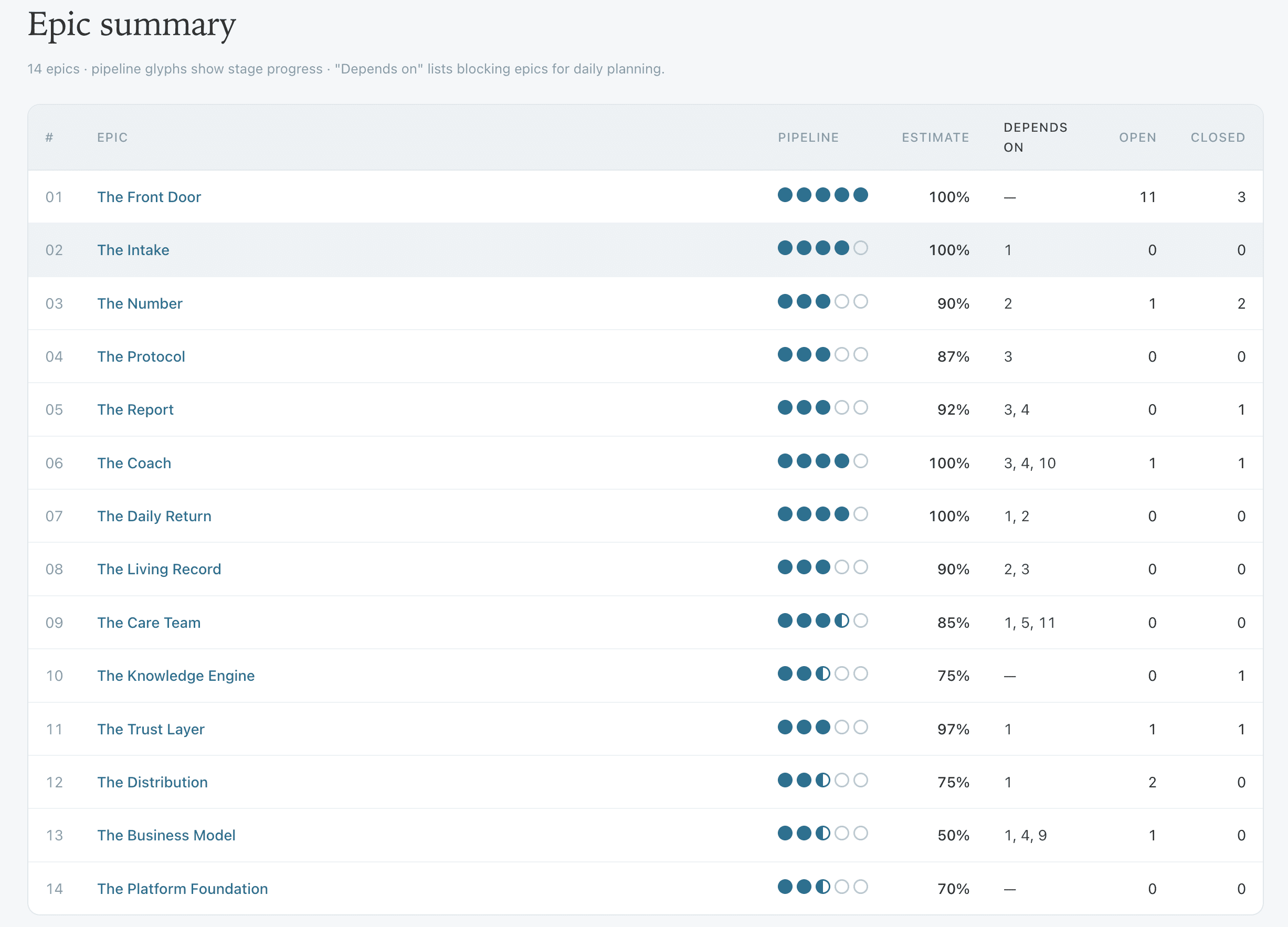
The product manager runs the board every morning and surfaces two or three threads that do not depend on each other. The leader picks. Multi-delegation becomes a thirty second decision instead of a meeting.
That is the Blueprint. Product doc, epics, status board with dependencies surfaced. Boring on paper. Transformative in practice.
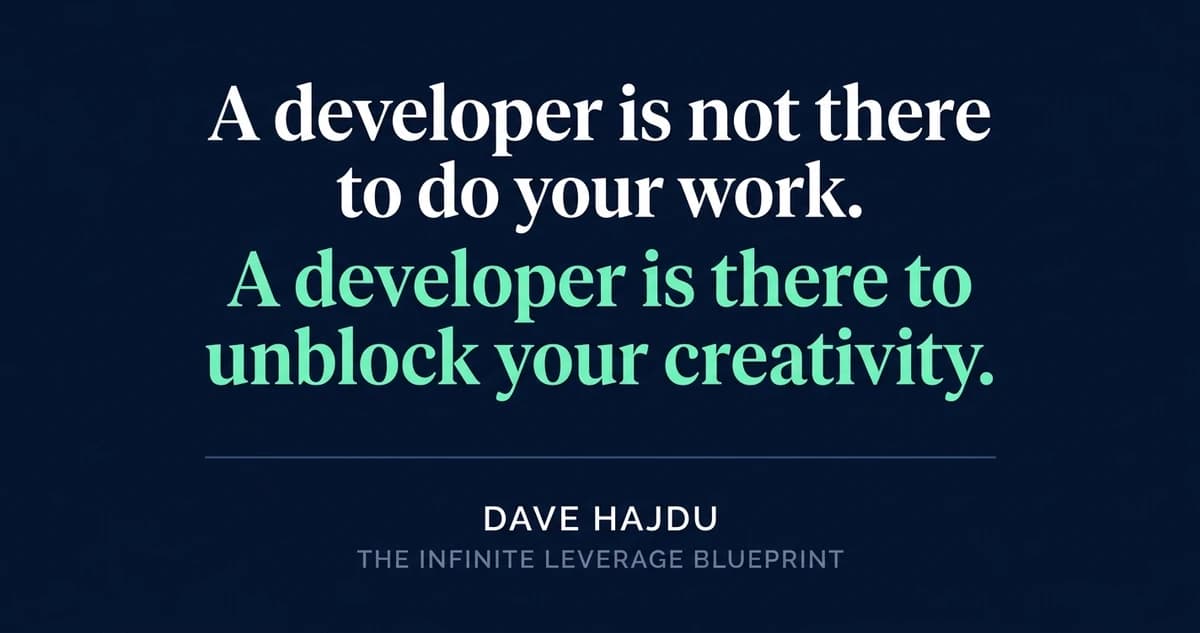
A developer is not there to do your work
Here is the part that reframed the whole project for me, and I think will reframe it for you.
If you watched James through the week, he was coding. He was shipping commits. He was pairing with the agents. He was not sitting in a corner approving things while someone else did the work. By the back half of the week, James was moving through the codebase at roughly the same pace as the full-time engineer.
So why was the engineer there?
The engineer was there to clear the runway. To unblock James the moment James got stuck. To handle the gnarly hour of debugging that would have cost James half a day. To take the threads that needed deep technical context and move them quietly, so James could keep building the parts only he could build.
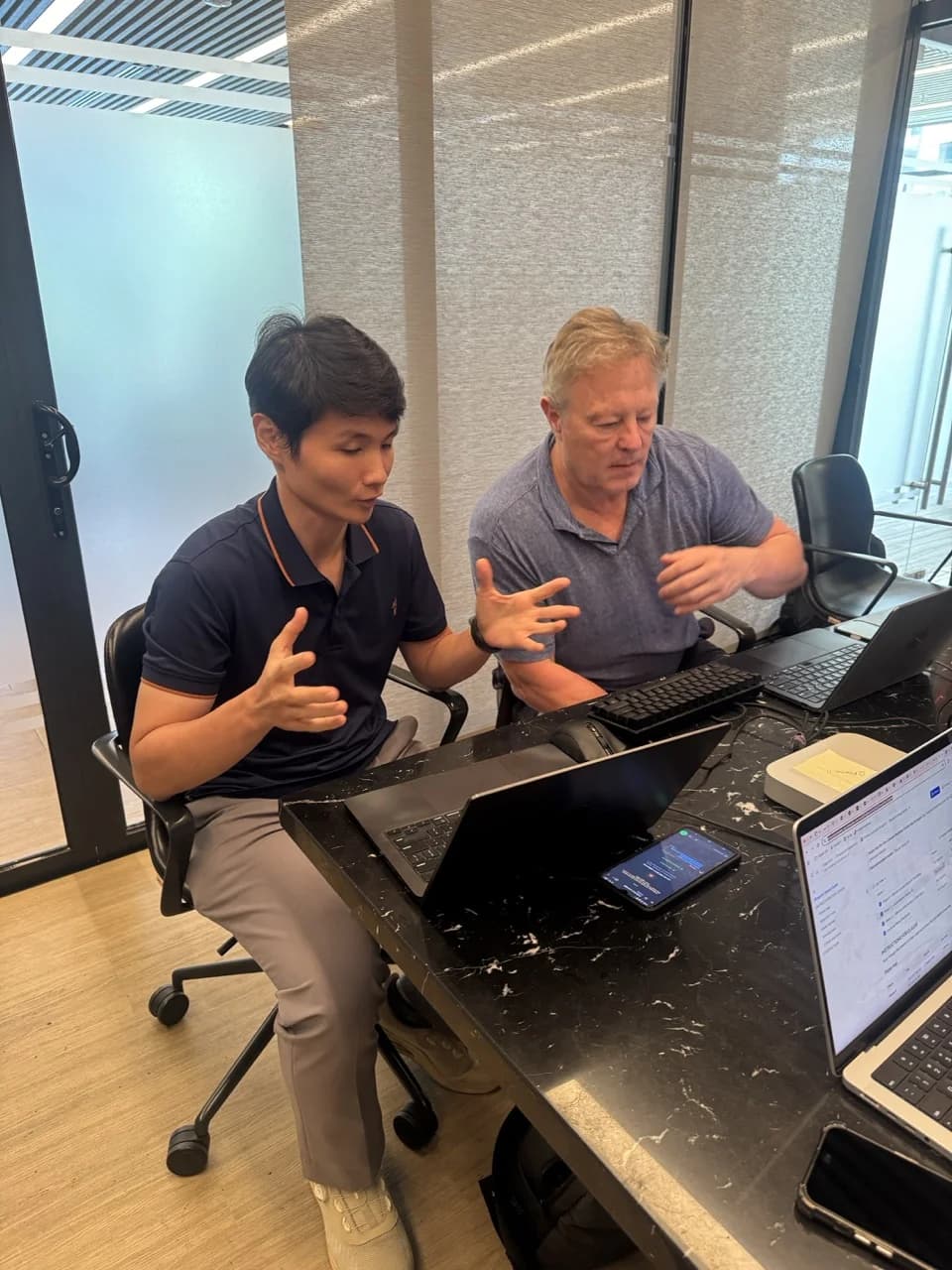
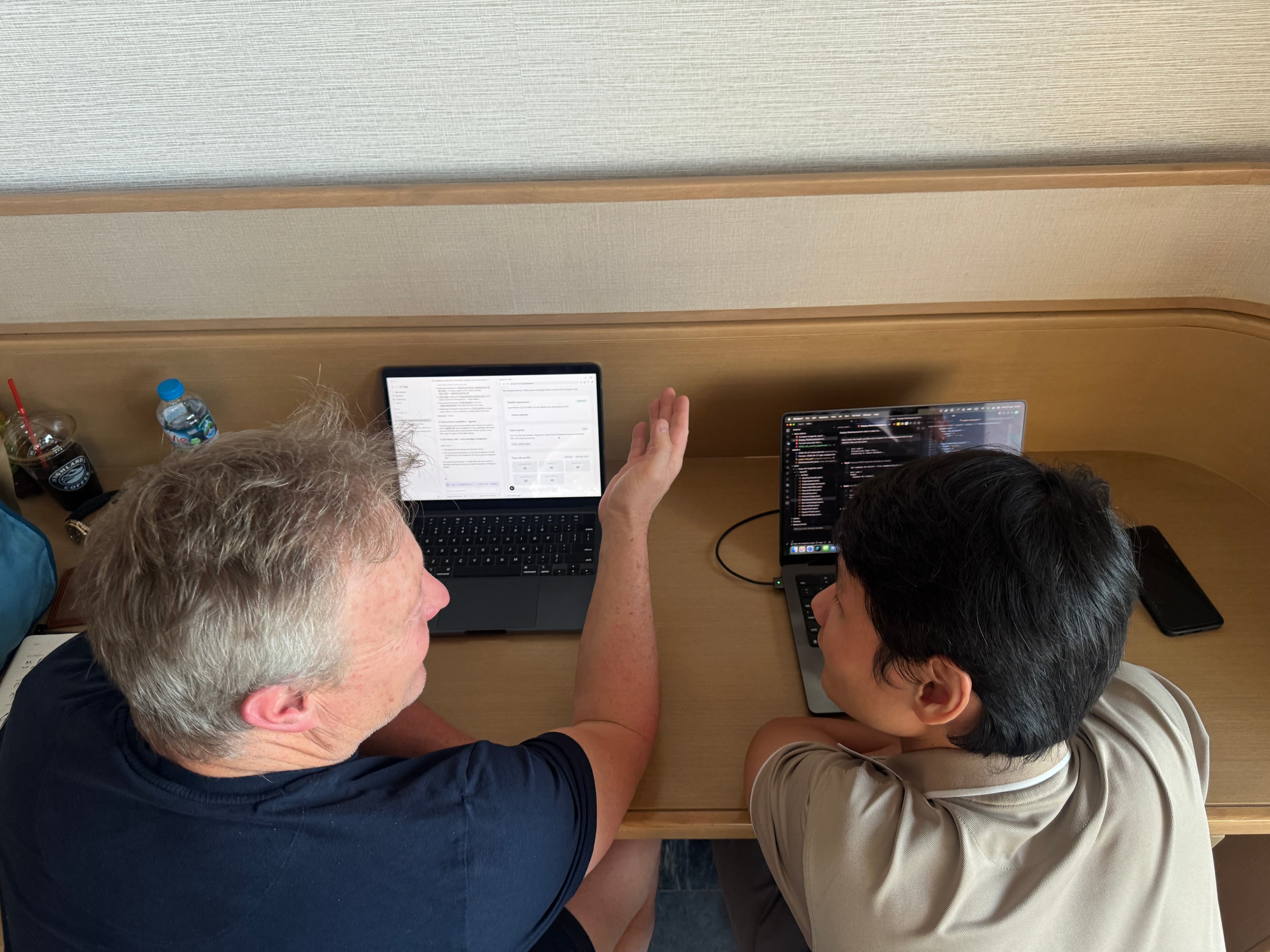
That is a different deal. It is the deal almost no leader I coach is currently making.
Two ingredients, multiplied
Infinite leverage is not a slogan. It is a multiplication.
The first ingredient is your accumulated knowledge. James has ten years of conversations with customers, ten years of pattern recognition about what longevity coaching actually needs to do. Nobody on the planet can copy this. It is not in a repo.
The second ingredient is a small pod that can ship. One product manager part time. One engineer full time. AI agents doing the kind of work that used to need a team of five.
Either alone gets you nothing. Knowledge without execution is a slide deck nobody reads. Execution without knowledge ships the wrong product faster than anyone can correct it. Pair them, and the output curve bends in a way that does not look like a 10 percent improvement. It looks like an order of magnitude.
That is the leverage. When you build software with AI instead of an agency, the ceiling is no longer set by your team's headcount. It is set by how much you, the leader, are willing to bring to the table.
The question I would ask you
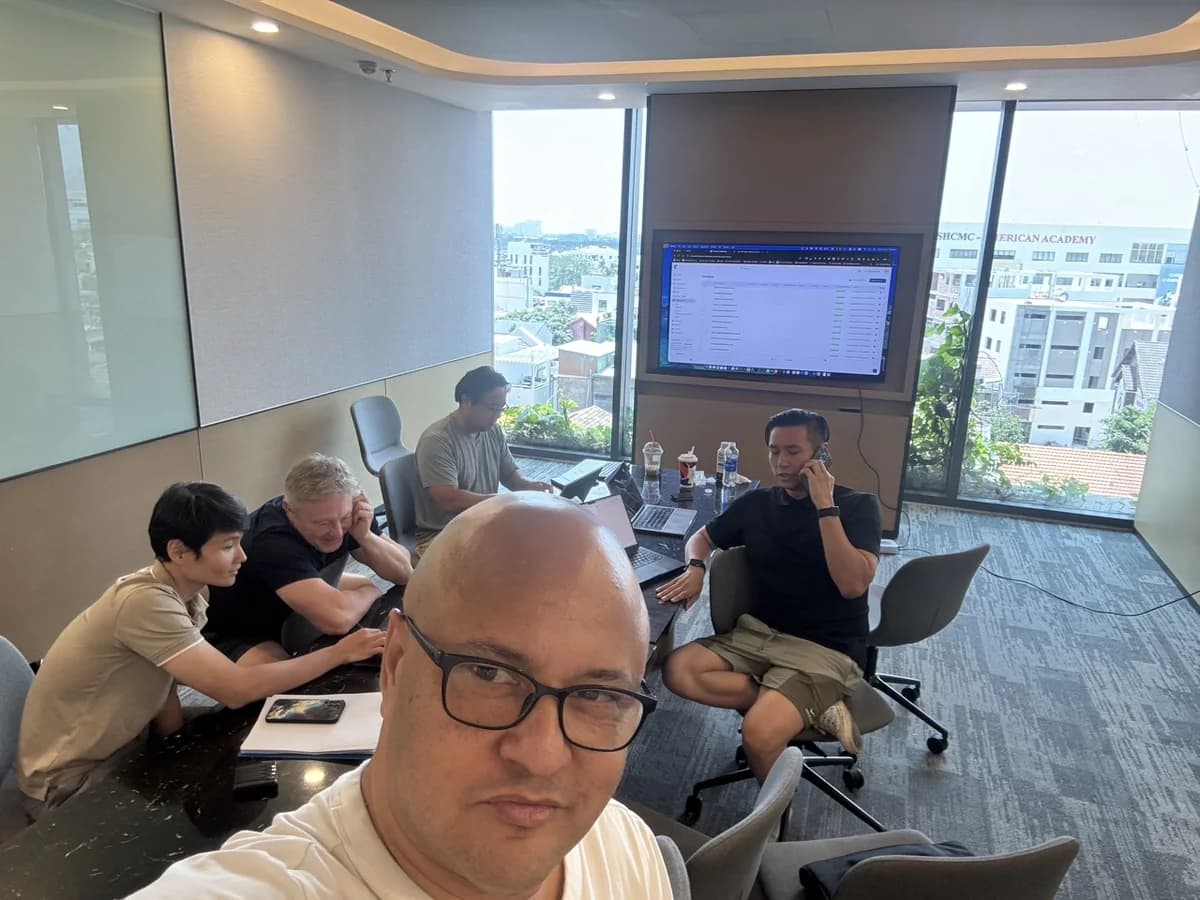
James flew home with three things. A marketing team ready to launch. A product manager running the Blueprint daily. A project manager keeping the wheels on for the 30 days of polish ahead. Janet.Care will go live soon, and we will tell you when it does.
That is James's story. Here is yours.
What would you build in the next five days if a developer was clearing your runway instead of standing between you and the work?
That is the question I would ask you, sitting across from you with two coffees, if you came to Vietnam tomorrow.
Sit with it for a minute before you scroll on. If the answer keeps coming back, book a call and we will figure out the first five days together.